What To Wear And Bring To The Blue Hole In Jamaica
Water shoes, a towel, dry clothes and cash cover almost everything the Blue Hole asks of you. This guide breaks the list down by decision: what to wear, what to carry, what to lock up and what to leave behind on the bus.
Short answer
Wear a swimsuit under quick-drying clothes and closed-toe water shoes; the official site lists water shoes as required and sells them on site. Bring a towel, a change of clothes, cash or card for the US$25 adult entry fee, and small bills for tips. Lockers are available for rent, and valuables are best left on the tour vehicle.
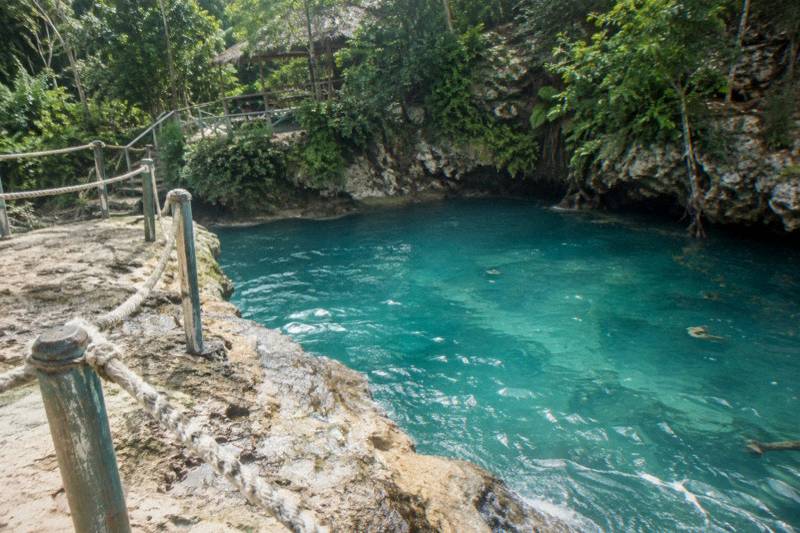
Water shoes are the single item the Blue Hole insists on. The official Island Gully Falls site lists them as required, notes that guides each are trained lifeguards, and states plainly: "Listen to your guide and do not jump from undesignated areas." Everything else on the packing list flows from that terrain, wet limestone, jungle trails and a swimming lagoon fed by mountain springs. Once your feet are covered, the next puzzle is the name itself, and this breakdown of the Blue Hole's many names explains why tour listings call the same water Secret Falls, Island Gully Falls or Irie Blue Hole.
The site itself sits at the end of Thatch Hill Road in Lodge, St Ann, about 20 minutes and 8 km from Ocho Rios town, and it opens Sunday to Friday, 8:30 AM to 4:30 PM. Most visitors arrive on a tour rather than driving themselves, and the tour you choose changes the list a little. A combined trip such as Blue Hole and Bamboo Rafting (from $100 per person, 4.9 from 94 reviews) adds a river segment where dry storage matters more, while the admission-only Original Blue Hole ticket (from $25 per person, 4.5 from 95 reviews) leaves you to organize shoes, transport and timing entirely yourself. This guide walks through each packing decision in turn.
What Should You Wear To The Blue Hole In Jamaica?
Wear your swimsuit under your clothes when you leave the hotel, and treat everything on top as a layer you will peel off and carry. Quick-drying shorts and a loose shirt beat cotton, which stays soaked for hours on the drive back. The official site provides private changing rooms and showers, so you change out wet at the end. A rash top works better than loose fabric on the rope swings.
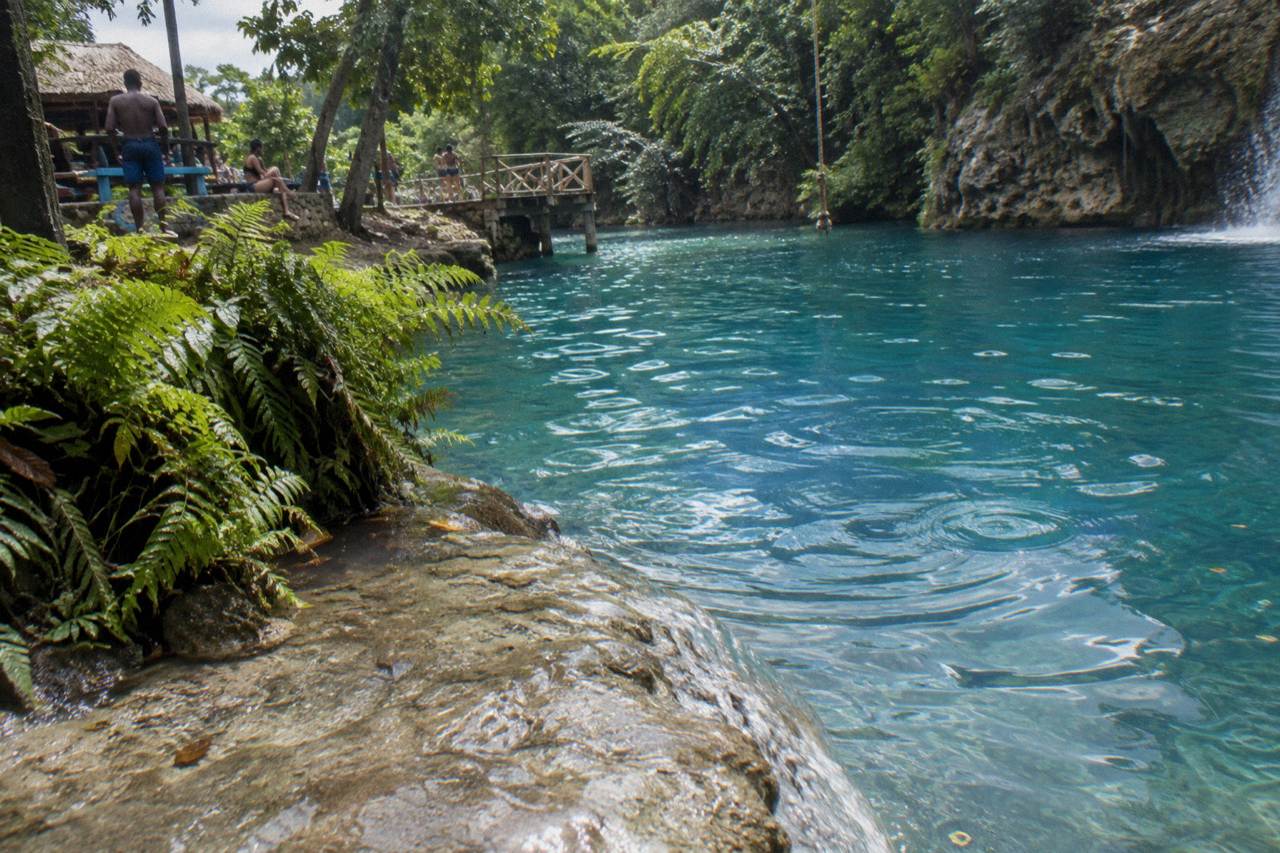
The lagoon is a swim-and-jump environment, not a wade-in-and-watch one. Guests report that the rope swings drop you into deep water and that climbing back out means gripping wet rock, so anything baggy gets heavy and anything delicate gets ruined. Jewelry is a poor idea at any Jamaican waterfall: rings slip off cold fingers, and chains catch on rock. Skip it entirely, or leave it in the hotel safe before the day starts.
Footwear is its own decision and gets its own section below. Beyond shoes and swimwear, the two weather items worth packing are sunscreen and insect repellent. The walk from the entrance to the pools runs through shaded forest, but the waiting areas, snack bar and photo spots sit in open sun, and the drive to and from Ocho Rios is tropical sun the whole way.
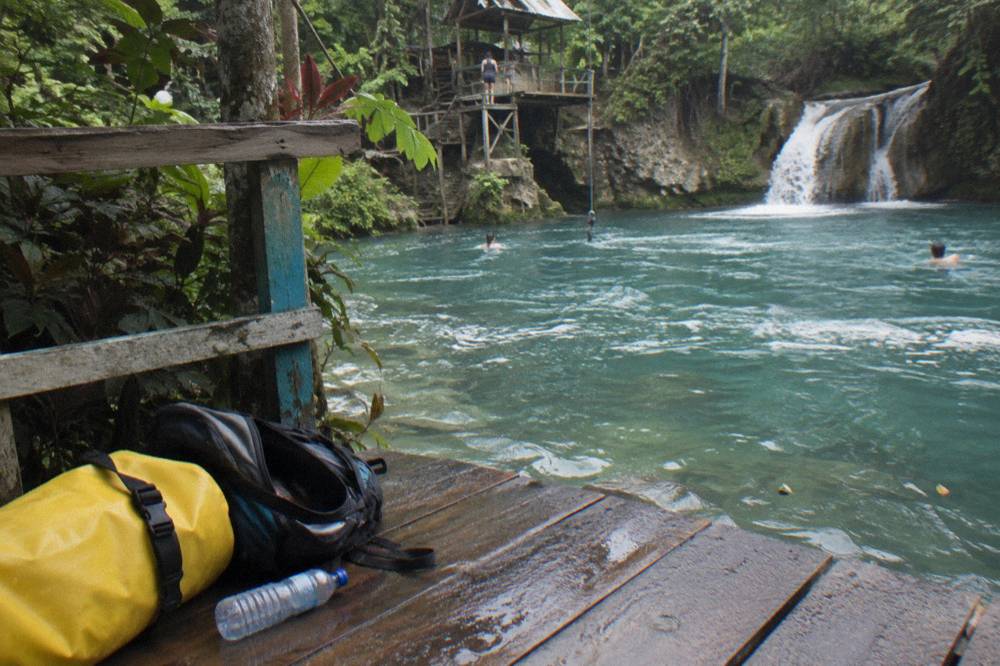
One clothing note for combo tours: if your day includes the Dunn's River Falls climb, the same swimwear-plus-layer system applies there, and press sources note water shoes are needed at Dunn's as well. The Blue Hole and Dunn's River tour comparison covers how those double-stop days run. For the popular Blue Hole and Bamboo Rafting trip, which runs 3 hours 30 minutes from Ocho Rios hotels and the cruise port with all fees and taxes included, a dry bag or a plastic pouch inside your daypack is the difference between damp clothes on the raft and dry ones.
| Wear item | Why it works at the Blue Hole | What to avoid |
|---|---|---|
| Swimsuit worn under clothes | Change once, swim sooner, use the on-site changing rooms at the end | White or thin fabrics that go transparent wet |
| Quick-dry shorts and shirt | Dry on the drive back to Ocho Rios or Montego Bay | Heavy cotton, denim |
| Fitted rash top | Stays put on rope swings and cliff jumps | Loose tanks that slap water on entry |
| Water shoes (closed-toe) | Required by the official site; sold on site if you forget | Flip-flops, bare feet |
| Sunglasses strap | Keeps shades on the swings | Unstrapped sunglasses |
What Should You Bring On A Blue Hole Tour?
Bring a towel, a full change of clothes, a dry bag or zip pouch, sunscreen, bug spray and cash or a card. The official site's "what to bring" guidance names swimwear, towels, water shoes, bug spray and sunscreen, a change of clothes, and cash or card. Two items people forget: small bills for tips, and a dry layer for the air-conditioned ride home. The site has showers, so you leave clean rather than salty.
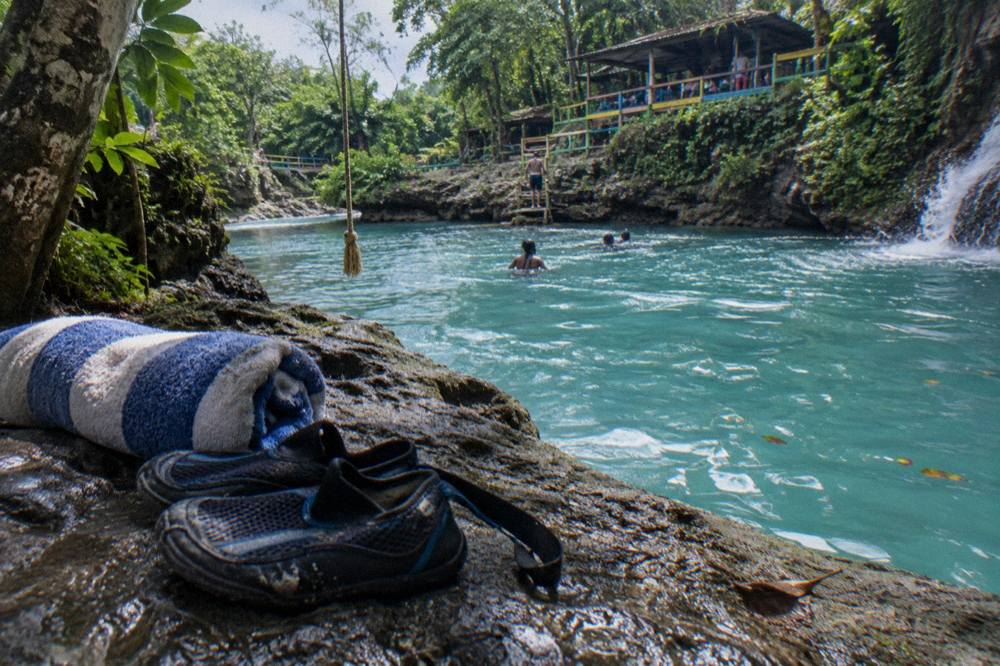
Towels matter more than most packing lists admit. Several combo tours, including the well-reviewed Ocho Rios Blue Hole and Dunn's River Falls Tour (from $89.72 per person, 4.9 from 443 reviews), list towels and water shoes as exclusions, meaning you carry your own. A quick-dry microfiber towel packs small and dries on the bus; a full beach towel is fine but takes up the whole daypack once wet.
Cash and card both work here. The gate fee for non-residents is US$25 adult and US$15 for children 10 and under, and the official page quotes both USD and Jamaican dollar prices, with USD widely accepted at tourist attractions across the island. If your tour already includes entry (many do, always check the inclusions line on the listing), your cash goes to snacks, souvenirs, photo packages and tips instead.
The photo packages deserve a line. Professional photographers work the site, and buying their shots frees you to leave your own phone locked away from the water, which is where most of the safety advice about valuables points. Operators and travel sites commonly report tips for guides and drivers at about US$5 to 30 depending on the service, so a pocket of small bills, not one large note, is the practical answer.
Here is where the tour choice changes your load. The self-drive style Original Blue Hole admission ticket (from $25 per person, 4.5 from 95 reviews) includes entry, life vests and an in-person English guide but no transport, so you carry everything yourself all day. The shared Montego Bay: Blue Hole & Dunn's River Falls day trip (from $140 per person, 4.6 from 1,037 reviews, 8 hours) includes admission tickets, hotel pickup and a guide, which trims both your cash needs and your admin.
For visitors weighing options side by side, the Blue Hole tour options from Ocho Rios breaks down every departure style, and it pairs well with this packing list once you have picked a trip.
Do You Need Water Shoes At The Blue Hole?
Yes. The official Blue Hole site states that water shoes are required and available on-site for purchase, and the safety guidance repeats it. The terrain is wet, uneven limestone: trails, rock ledges around the pools, and the climb back out after a jump all demand grip. Closed-toe shoes with grippy soles are the standard recommendation across safety reporting on the site; flip-flops and bare feet raise slip risk on every surface you will touch.
If you forget yours or land without a pair, the on-site shop sells shoes in your size, per the official amenities list. Buying at the gate costs more than buying at home, so pack a pair of cheap closed-toe water shoes and treat the shop as backup. Regular sneakers are a poor substitute: they grip once, then hold water for the rest of the day and never truly dry.
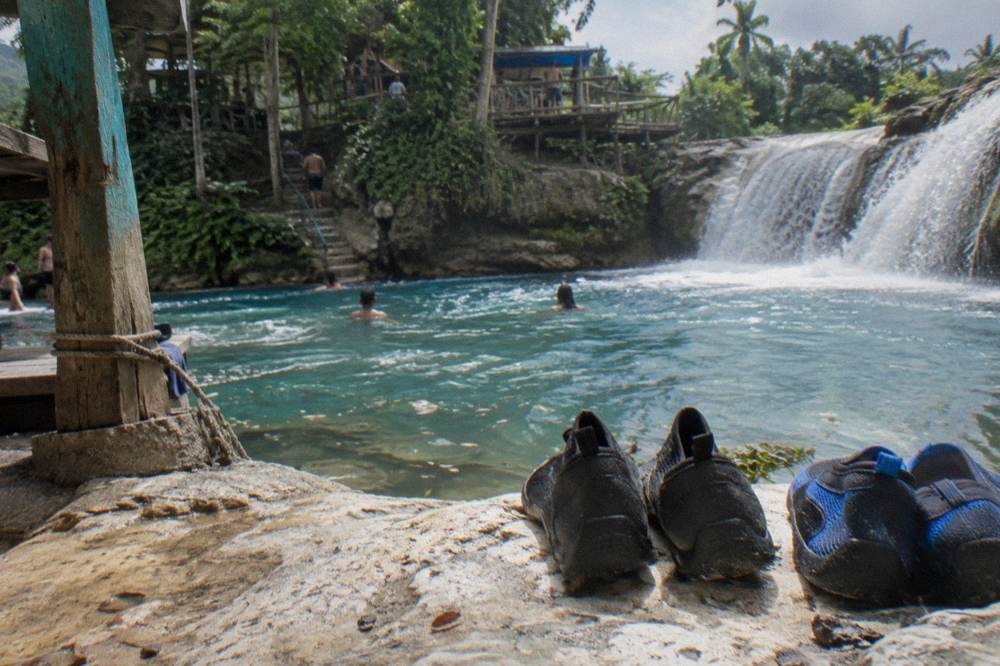
The same shoes serve you on the wider day. Guides lead groups along forest trails between the entrance, the main pools and the falls, and the Dunn's River climb (if your itinerary adds it) is famously slick; press reporting notes water shoes needed there too, with on-site rental available. Guests on rafting combos report wearing the same pair from the Blue Hole pools onto the bamboo raft at Rio Nuevo, so one good pair covers a full multi-stop day.
Life jackets are the other free-and-on-site item: the official amenities list includes complimentary life jackets for on-property use, and the admission ticket listing bundles life vests with entry. Non-swimmers and cautious swimmers should plan to wear one from the first minute at the pools, and the on-site guides, who the site describes as trained lifeguards, assist swimmers in the shallower areas. For a fuller treatment of vests, guides and the site's safety setup, see the Blue Hole safety and life jacket guide.
Where Do You Keep Your Belongings At The Blue Hole?
The site rents personal lockers, and the official amenities list also includes on-property showers, private changing rooms, restrooms, a snack and refreshment bar, a souvenir shop and photo packages. Life jackets are complimentary. The practical pattern guests report: everything you will not use in the water goes in a locker or stays on the tour vehicle, and only a towel and shoes travel with you to the pools.
Lockers at Jamaican attractions are typically inexpensive but not free; the Blue Hole's own fee schedule covers entry, not lockers, so expect a small rental charge on the day. Water shoes are sold on site, cash or card both appear on the official page, and the shop can absorb a forgotten towel or a bottle of water if needed. The point of the locker is not security theater, it is that you cannot take a phone, wallet or passport into a lagoon you are about to jump into.
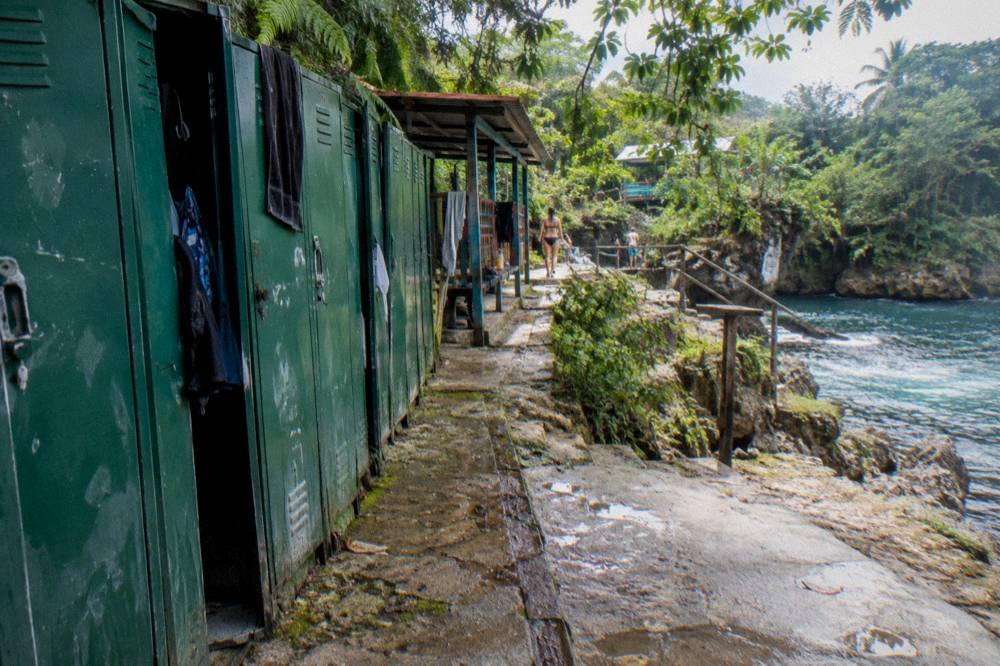
If you arrived on a tour, ask your driver about leaving items on the vehicle before you walk in. Safety reporting on the site notes that drivers often secure valuables, and on tours with a shopping or lunch stop built in (the Montego Bay combo lists a jerk-chicken lunch stop at your own expense), the bus is the safest place for purchases as well as passports. Do not carry your passport into the attraction at all; a photo or a photocopy covers identification questions on tour days.
For what the site itself provides versus what you must carry, the split is simple:
| Provided on site (official amenities list) | You bring it yourself |
|---|---|
| Complimentary life jackets | Water shoes (required; also sold on site) |
| Private changing rooms and showers | Swimsuit, worn under clothes |
| Restrooms | Towel and change of clothes |
| Personal lockers for rent | Cash or card for fees, snacks, tips |
| Water shoes for purchase | Sunscreen and bug spray |
| Snack and refreshment bars | Small bills for guides and drivers |
| Photo packages and souvenir shop | Dry bag or zip pouch |

How Much Cash Should You Bring To The Blue Hole?
Budget the US$25 adult or US$15 child entry fee if your tour does not include it, plus snack money, locker rental if you use one, a photo package if you want one, and tips. Operators and travel sites commonly report guide and driver tips of about US$5 to 30 depending on the service. USD is widely accepted at tourist attractions, so no currency exchange is needed.
The entry fee is the one fixed number. Read your tour's inclusions line carefully before doubling up: the shared Ocho Rios combo at from $89.72 per person lists all admission fees to both Dunn's River Falls and Blue Hole as included, while the private Dunn's River Falls and Blue Hole tour at from $50 per person lists entry fees as extras, with the listing stating Dunn's River at US$25 and Blue Hole at US$20 per person payable on top. Same waterfall, very different cash math.
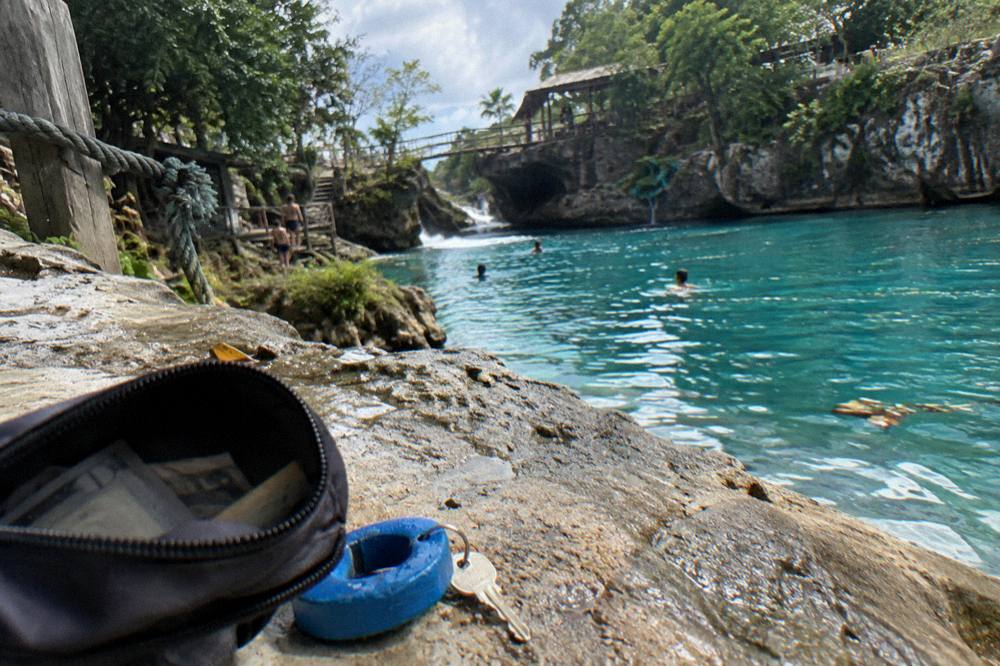
Tips are customary, not mandatory, and reviews show they are noticed: some guests find the asking pushy, others report a US$10 to 15 tip gratefully received. The clean approach is a small stack of US$5 bills in a zip pouch, one for the on-site guide who walks you to the jump points, one for the driver at the end, and a spare. You will not need exact change for anything else if you pay by card at the snack bar and shop.
For a fuller breakdown of ticket pricing across every tour style, the Blue Hole Jamaica entrance fee guide does the math trip by trip.
| Expense | Typical planning figure | Notes |
|---|---|---|
| Entry, non-resident adult | US$25 | Official gate price; children 10 and under US$15 |
| Entry via some private tours | US$20 per person | That operator's listed charge, paid on top of the tour price |
| Tips, guide and driver | About US$5 to 30 total | Commonly reported range; small bills help |
| Locker rental | Small charge on the day | Not in the official fee schedule |
| Photos and souvenirs | Optional | Packages sold on site |
What Should You Leave On The Bus?
Leave passports, flight paperwork, laptops, spare cards and anything you would mourn: safety reporting on the Blue Hole is consistent that valuables belong on the tour vehicle or in a locker, never carried to the water. A phone in a zipped pocket will meet a rope swing eventually. Drivers on organized tours routinely secure items, and every listing on this site's lineup includes hotel pickup, so the vehicle is a known, staffed place for the duration of your swim.
The short answer to the question underneath the question, what if I need my phone for photos, is the site's professional photography. Photo packages are an official amenity, the photographers work the jump points all day, and buying their frames beats risking a phone in a lagoon. If you must shoot your own, a floating waterproof phone pouch with a lanyard is the minimum, and it lives in the dry bag, not a pocket, until the moment you use it.
Passports deserve emphasis for cruise passengers in particular. You do not need the document at the Blue Hole, and shore days are exactly when a lost passport is most expensive. Your ship card, a photo ID and the tour voucher are enough for the excursion itself. If you are flying in and touring before a hotel, leave the passport in the hotel safe and carry a copy, the same advice the safety files give for every Jamaican attraction.
Here is the divide that works on the day:
| Goes with you to the pools | Stays on the bus or in a locker |
|---|---|
| Swimsuit, water shoes, towel | Passport and travel documents |
| Small cash pouch or one card | Spare cards, wallet, keys |
| Reef-safe sunscreen, applied before | Laptops, tablets, e-readers |
| Dry bag with a change of clothes | Souvenirs bought earlier in the day |
| Phone in a waterproof pouch, if at all | Dry shoes for the ride home |
What Should Families And Non-Swimmers Pack?
Pack the same core list plus a few additions: swim diapers if applicable, a fitted life jacket from the complimentary on-site supply for every weaker swimmer, snacks that survive heat, and one adult whose job is staying dry and watching. The child entry rate applies at 10 years and under, kids' tour pricing varies by listing so check the listing, and the guides, trained lifeguards per the official site, assist non-swimmers in the shallower areas.
The Blue Hole rewards confident swimmers and jumpers most, but the lagoon has wading and swimming zones, and the official experience description covers natural lagoon swimming, cliff jumps, rope swings and forest trails as separate activities. A nervous swimmer can do the lagoon and trails and skip the jumps entirely; nothing about the site forces anyone off a ledge. Guides point out the designated jump areas, and the official rule is to use only those.
For families combining stops, the Triple Action Pack combo (Blue Hole, horseback riding and river tubing, from $165 per person, 4.8 from 772 reviews) is the lineup's most reviewed family-style day, listing attraction fees and round-trip transport as included and lunch stops if time permits. Its exclusions line names lunch, so pack snacks for kids rather than assuming food on board. Towels and water shoes appear as exclusions on several listings, which is the recurring gap in family packing: two adults can improvise, three kids cannot.
One practical timing note for families: the site opens 8:30 AM to 4:30 PM Sunday to Friday, with no Saturday hours published, so check before you go. Arriving near opening, or after mid-afternoon, is the pattern the crowd advice for the area recommends, since cruise-ship days fill the midday. For the full seasonal picture, the best time to visit the Blue Hole guide covers weather, crowds and water clarity together.
Does Rain Change What You Should Bring?
Yes, and it can change the whole day. Rainfall raises the Blue Hole's water level and lowers clarity, guests report the site closing on high-water days with tours rescheduled, and operators may reroute or reorder stops. Pack with wet-weather slack in the list: a light rain layer, a dry bag that actually seals, and a plan for the ride home if the swim never happens. Never count on a specific water color or a guaranteed swim.
This is the honest footnote to every packing list for this site. The turquoise postcard color depends on dry, sunny conditions; after heavy rain and runoff the water runs greener and the level rises. Reviews on the combo listings from 2026 describe arriving to find the Blue Hole shut for high water and the operator rescheduling, which is the right call by any operator. Your list should assume the swim happens, your plan should survive it not happening.
That means the dry-bag logic runs both directions. If the pools close, your dry clothes are the difference between a wet morning and a miserable drive, especially on the long hauls: about 2 hours each way from Montego Bay, roughly 1 h 30 to 1 h 40 from Falmouth. Bring the towel even on a doubtful day, keep the rain layer accessible rather than buried, and keep valuables on the bus regardless of weather, since the trails are slick in either case.
For US, UK and Canadian visitors doing the wider trip paperwork, official Jamaican entry guidance requires a valid passport with no visa needed for tourist stays up to 90 days, plus the free online C5 Passenger Declaration Form for all arrivals by air or cruise, filed via the official portal, with no cost involved. That is a before-you-fly item, not a bring-to-the-waterfall item, but it is the one piece of paperwork that stops a trip before the packing list matters.
The Short Version Of The Blue Hole Packing List
Water shoes, swimsuit worn under quick-dry clothes, towel, change of clothes, dry bag, sunscreen, bug spray, cash or card, and small bills for tips: that is the whole honest list. Lockers rent on site, life jackets are complimentary, water shoes are sold if you forget, and passports and valuables stay on the bus. Everything else the official amenities cover, from changing rooms to snack bars, is already waiting at the gate.
The visitors who enjoy this site most are the prepared ones, and prepared visitors are also the ones most likely to book a tour rather than improvise transport on a cruise morning. As Blue Hole Tours Jamaica lays out across its comparisons, the tour you pick decides most of your logistics before you ever zip the daypack: shared trips from the Ocho Rios cruise port run from around $60, private Blue Hole-only trips from $40 plus entry, and full Dunn's River combos with lunch and drinks from $159. Check the inclusions line against the packing list above and the two stop contradicting each other.
Common Questions About What To Bring To The Blue Hole
Do You Have To Wear Water Shoes At The Blue Hole?
Yes. The official site lists water shoes as required and sells them on site in your size. Closed-toe shoes with grip are the recommendation, since every surface from the trails to the pool ledges is wet limestone.
Can You Rent Lockers At The Blue Hole?
Yes, personal lockers are available for rent, and the amenities list also includes showers, private changing rooms, restrooms and a souvenir shop. Expect a small rental charge on the day.
Should You Bring Cash Or A Card To The Blue Hole?
Both work. The official page quotes USD and Jamaican dollar prices, and USD is widely accepted at tourist attractions. Bring small bills for guide and driver tips, commonly reported at about US$5 to 30 depending on service.
What Do You Do With Valuables On A Blue Hole Tour?
Leave them on the tour vehicle or in a rented locker. Drivers on organized tours often secure items, and safety reporting is consistent that phones and wallets should never go into the water. Professional photo packages are sold on site, so you can leave your own camera behind.
Does The Tour Price Include The Blue Hole Entry Fee?
It depends on the listing. Many shared combos include all admission fees, while some private tours list entry as an extra paid on the day. Always read the inclusions and exclusions lines before assuming.
What Should You Wear If You Are Not Swimming?
Quick-dry shorts, a shirt and water shoes still make sense, since the trails and viewing spots are wet and uneven. A towel and dry layer help on the ride back, and a light rain layer earns its space in the wet season.